

Advancements in Organoid Technology: Implications for Public Health
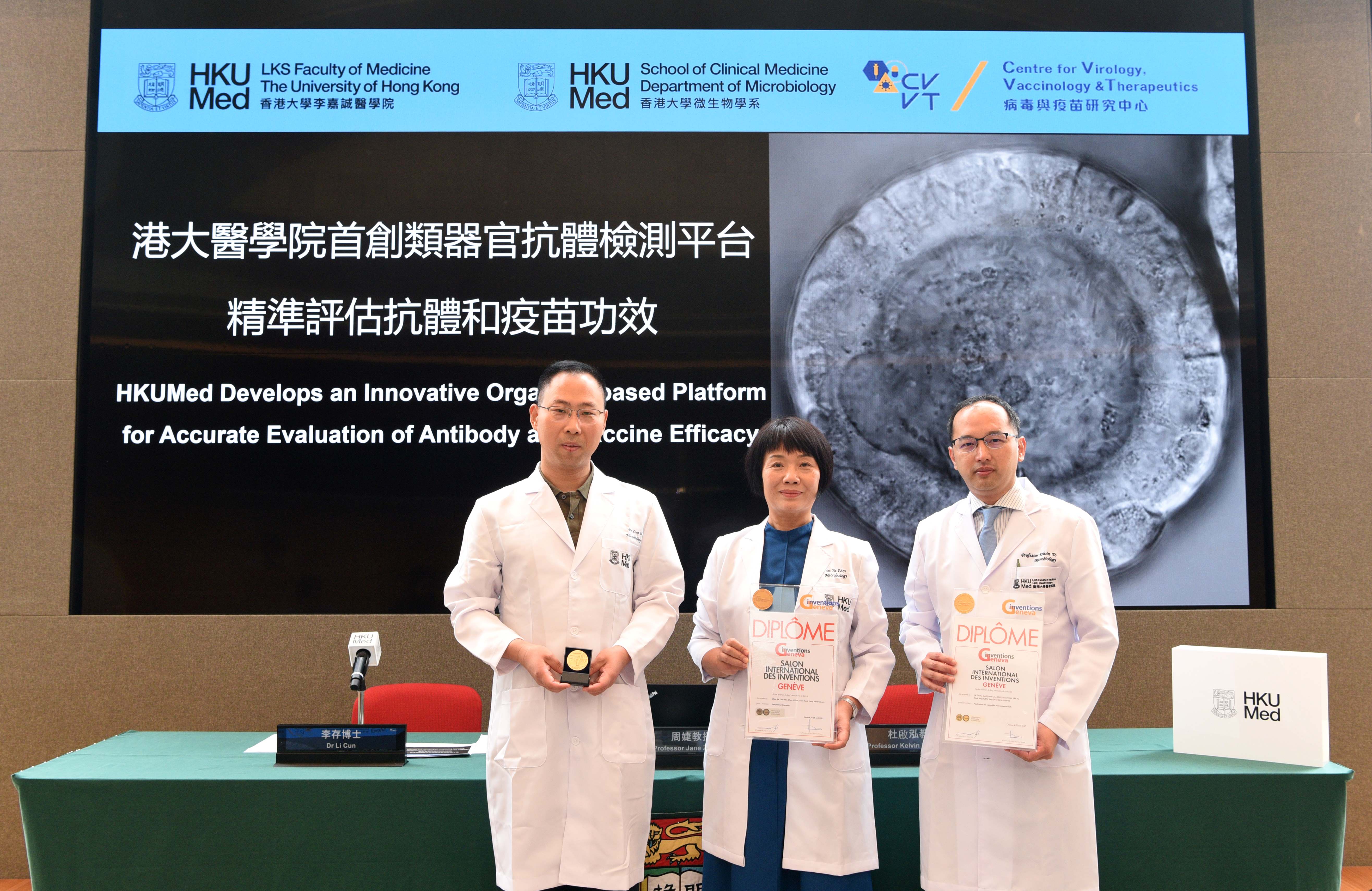
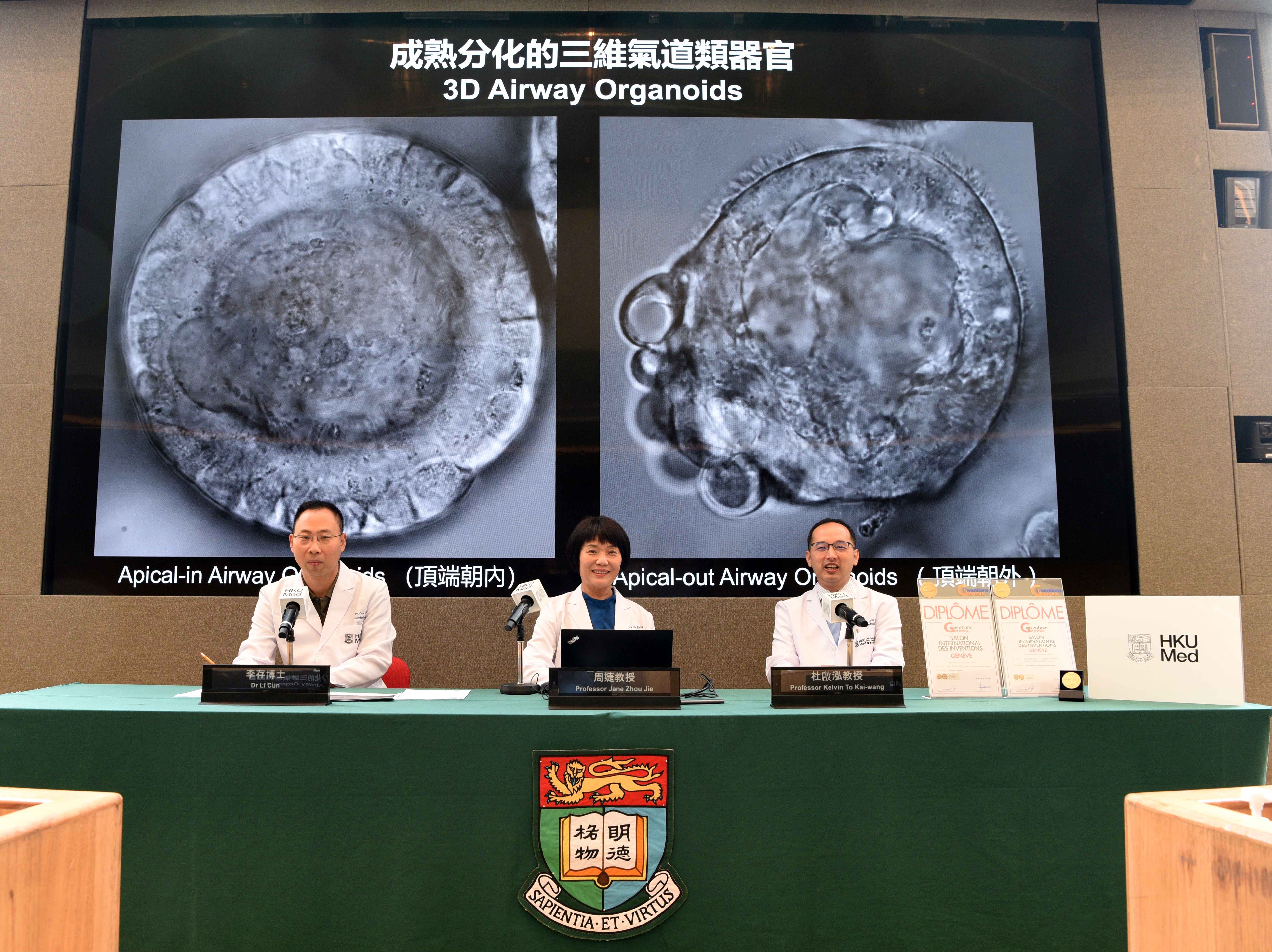
Recent advancements at HKUMed have pioneered the development of an innovative respiratory organoid culture system and organoid-based platform for evaluating the efficacy of SARS-CoV-2 neutralising antibodies. These revolutionary respiratory organoid models mimic human respiratory tissues, enabling researchers to assess the effectiveness of antibodies and vaccines in realistic conditions. As respiratory viruses continue to pose significant public health challenges, the implications of this technology are profound.
By employing nasal organoids, HKUMed researchers have created a reliable system for measuring and predicting how effectively antibodies kill viruses in the human body. Traditional cell lines have frequently yielded misleading results, failing to accurately reflect human physiology. The new organoid platform allows for a deeper understanding of the therapeutic effect of antibodies, fundamentally improving the scientific evidence available for clinical treatments. In a world grappling with persistent COVID-19 variants, this technological advancement not only enhances current research but also lays a robust foundation for addressing future respiratory infections.
Accelerating Vaccine Development
The integration of organoid technologies into research on respiratory viruses has far-reaching implications for vaccine development. The ability to culture human rhinovirus C (HRV-C), which has long resisted conventional methods, is a game-changer. By overcoming a long-standing hurdle, these innovations are opening new possibilities for drug and vaccine development against these common respiratory viruses.
As research progresses, it is anticipated that the new organoid platforms will yield faster, safer, and more effective vaccines. By accurately modelling human interactions with respiratory pathogens, these advancements can help predict clinical outcomes more reliably, ultimately enhancing patient care and improving public health measures against respiratory diseases.
The Power of Collaborative Efforts
The development of organoid technology exemplifies a successful collaboration between HKUMed and international experts, particularly led by Prof. Jane Zhou Jie and Prof. Yuen Kwok-Yung, Chair of Infectious Diseases and Henry Fok Professor in Infectious Diseases, both from the Department of Microbiology under the School of Clinical Medicine at HKUMed. Also significantly contributing to the research is Prof. Hans Clevers from the Hubrecht Institute in the Netherlands. Such partnerships enrich the scientific landscape by fostering an environment where diverse expertise converges to tackle pressing health challenges.
These collaborations streamline problem-solving by combining diverse research techniques and perspectives, yielding innovative solutions crucial to real-world applications. Together, these partnerships extend the reach of research findings, transforming them into actionable strategies for healthcare providers and policymakers.
Public Engagement and Awareness
Public understanding of these scientific advancements is essential for effective healthcare implementation. HKUMed is actively engaging the public and healthcare professionals on the transformative potential of organoid research. Through educational outreach, workshops, and public seminars, the institution aims to demystify complex scientific developments and highlight their relevance to everyday health.
By ensuring healthcare professionals are well-versed in these new technologies and their implications, the pathway for implementing new treatments is significantly simplified. Furthermore, enhancing public awareness will encourage broader community engagement and understanding of respiratory health issues.
Future Directions and Societal Impact
Looking ahead, the research team at HKUMed is poised to expand the application of these organoid technologies beyond just viruses. Future studies are set to investigate other pathogens, paving the way for a comprehensive approach to combat various respiratory diseases.
This proactive stance could fundamentally alter societal approaches to viral pandemics, shifting from reactive measures to preventive strategies. As organoid technology continues to evolve, the potential for significant societal benefits is immense, promising a future where infectious diseases can be managed more effectively, ultimately enhancing global public health security.