

Transforming Urban Mobility: AI-Driven Solutions for Hong Kong’s E-Hailing Services
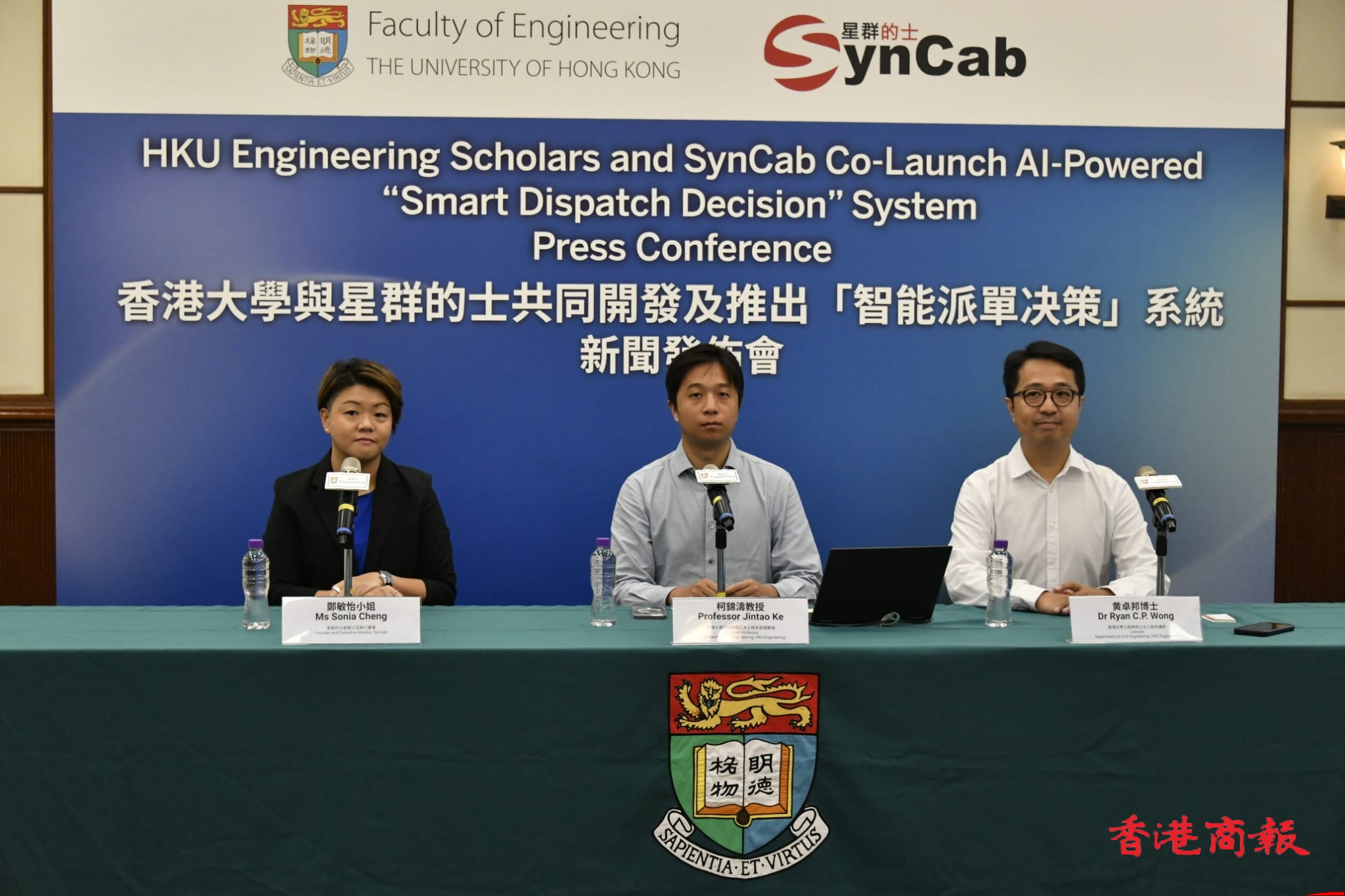

Recent advances in AI and optimisation algorithms are paving the way for smarter, more efficient urban mobility in Hong Kong. As e-hailing taxi services continue to grow rapidly, the industry faces persistent operational challenges—particularly in efficiently matching drivers and passengers and in balancing fleet distribution across the city. To address these issues, a team led by Prof. Ke Jintao, from HKU’s Department of Civil Engineering, has developed an innovative AI-driven simulation and decision-support platform that promises to revolutionise ride-hailing operations and policymaking.

Screen of AI-driven simulator
This platform integrates advanced algorithms for real-time dispatching, driver-passenger matching, and vehicle repositioning, enabling operators to optimise fleet utilisation, reduce passenger waiting times, and improve service quality. Unlike traditional rule-based systems, the new approach accounts for dynamic traffic conditions, historical demand patterns, and supply levels, resulting in a more intelligent, data-informed management process. The inclusion of visualisation modules provides intuitive displays of vehicle movements and system dynamics across Hong Kong’s transport network, facilitating better decision-making and policy testing.
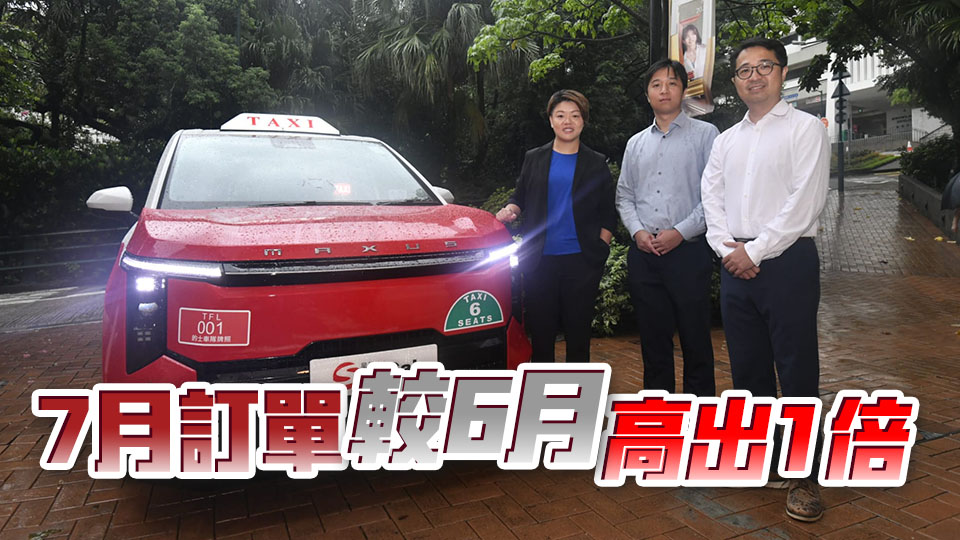
Collaborating with SynCab Taxi Company, the research team has already field-tested these algorithms, demonstrating measurable improvements—ranging from increased fleet utilisation and reduced idle cruising to shorter passenger wait times and higher driver earnings. The successful deployment was publicly showcased at a press conference in 2025, which attracted extensive media coverage and was featured on a prominent current affairs programme, underscoring the societal relevance of this technological breakthrough.
Beyond operational gains, this project demonstrates how knowledge exchange among academia, industry, and policymakers can deliver societal benefits—improving urban mobility, reducing congestion, and fostering more equitable transport services. The platform’s ability to simulate and evaluate new policies before real-world implementation supports long-term, sustainable, and fair transport governance. As such, this initiative not only demonstrates technological innovation but also highlights the importance of collaborative approaches to shaping smarter, more inclusive cities.