

Enhancing Cross-Boundary Healthcare Within the Greater Bay Area (GBA)
“Understanding the challenges and opportunities of cross-boundary healthcare utilisation in the Greater Bay Area is crucial for promoting mobility and well-being among GBA residents. This journey has been deeply meaningful and fulfilling for me! I’m sincerely appreciative of my collaborators from diverse fields and our participants from all walks of life. Looking ahead, we will keep advancing our Cross-boundary Healthcare Information Platform— Healthy GBA—with the aim of benefiting tens of thousands of residents in Hong Kong and the entire Greater Bay Area.” -- Prof. Shenjing He

Prof. Shenjing He
Led by Prof. Shenjing He, Head of the Department of Urban Planning and Design and Director of the Social Infrastructure for Equity and Wellbeing (SIEW) Laboratory at HKU, an interdisciplinary research initiative underscores the vital role of cross-boundary healthcare in improving the wellbeing and mobility of residents within the Guangdong–Hong Kong–Macao Greater Bay Area. Funded by the Strategic Public Policy Research Funding Scheme, this three-year project assembled a diverse team of investigators specialised in urban studies, public health, and healthcare management from esteemed universities, research institutions, and hospitals across China.
The research highlights the significance of cross-boundary healthcare in improving residents' quality of life, particularly in the context of cross-boundary eldercare and retirement plans. It also points out persistent challenges, including access to medical information, disparities in healthcare service models, costs, and coordination between Hong Kong and mainland healthcare systems. These issues underscore the urgent need for both immediate policy adjustments and long-term strategic planning.


Utilising mixed-methods analysis and proxy-based modelling, the study explored the experiences of Hong Kong residents and various stakeholders within the GBA's dual health systems in Hong Kong, Guangzhou, and Shenzhen. An increasing number of Hong Kong residents are seeking healthcare services in mainland cities, with satisfaction ratings rising from 54.7% before utilisation to 73% afterwards. Nonetheless, concerns over information accessibility and affordability often outweigh considerations regarding perceived healthcare quality.
The variety of healthcare delivery models across the GBA reveals considerable disparities in capacity and competitiveness across social groups. To address these issues, the study recommends strategic pathways to sustain impact, including developing an integrated information platform to improve data sharing and transparency. Additionally, policy reforms aimed at unifying fragmented governance structures, enabling portable insurance benefits, and supporting long-term planning for cross-boundary retirement and wellbeing are proposed.
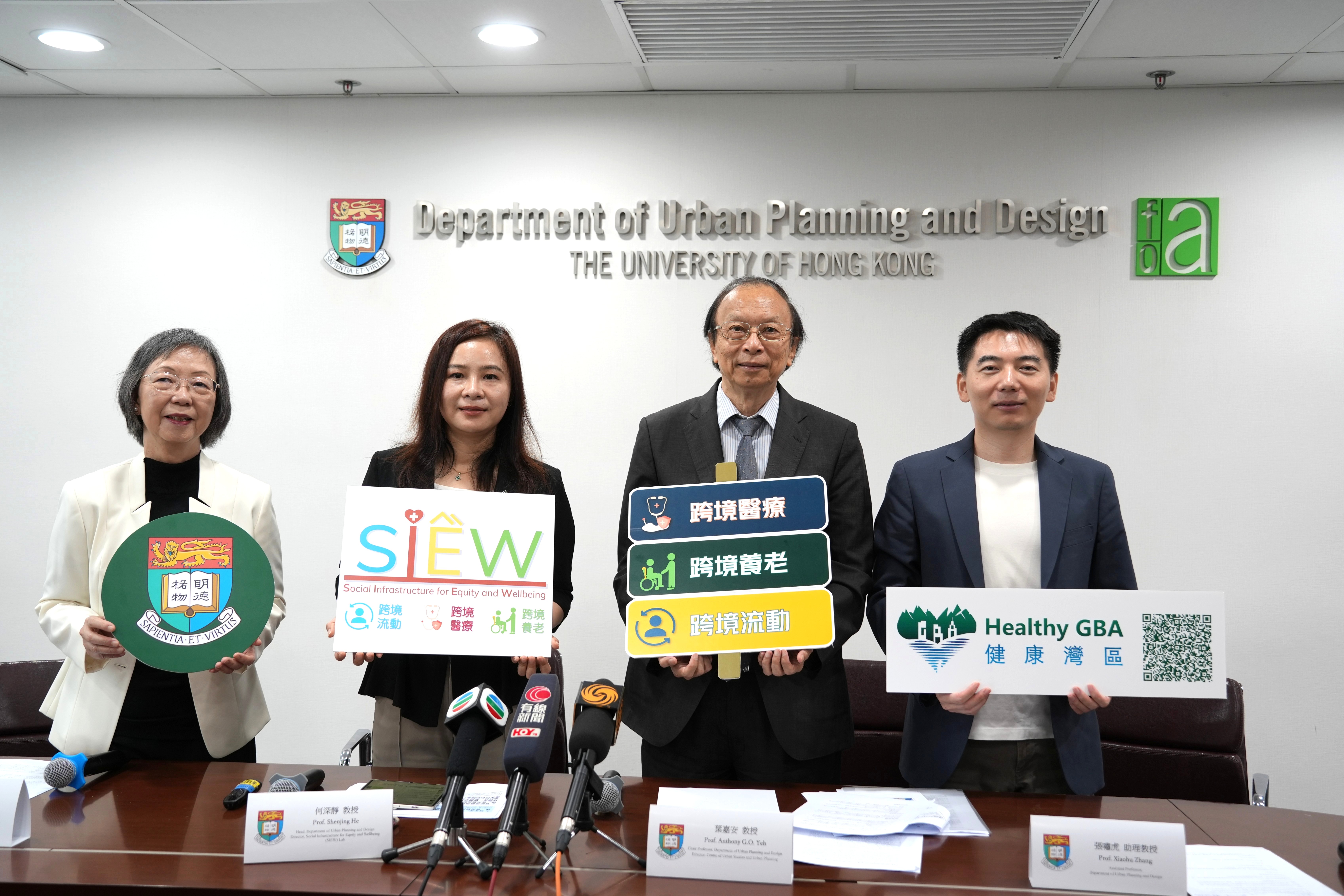
The findings have transcended academia, attracting substantial media attention in both Hong Kong and mainland China. A press conference held in August 2025 attracted media coverage from outlets including TVB News and Phoenix Television, fostering public discussion on cross-boundary healthcare and engaging both policymakers and healthcare professionals.
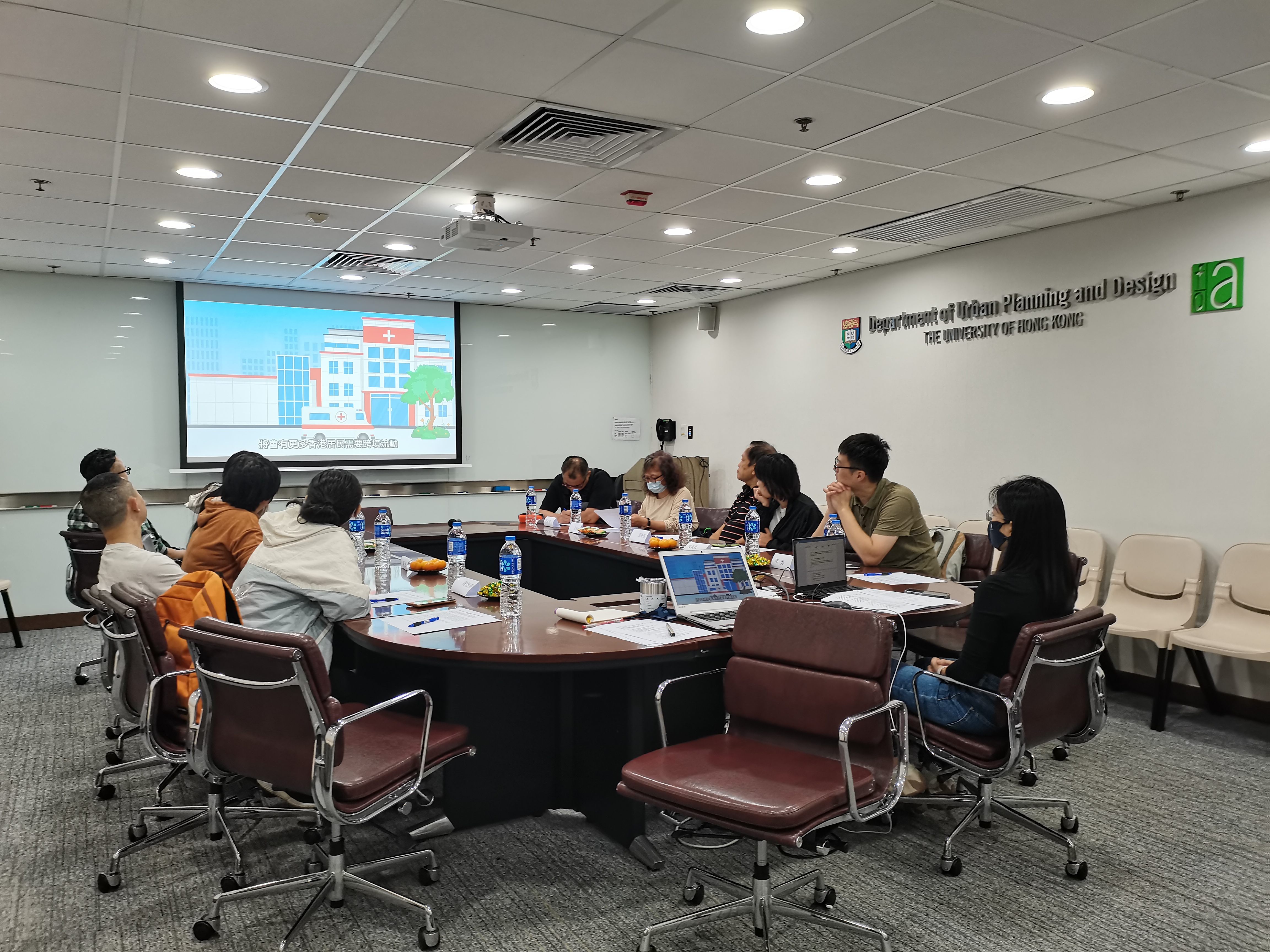
Looking ahead, the SIEW Laboratory at HKU plans to expand its influence through regular policy forums, stakeholder workshops, and collaborative projects across the GBA. This strategy aims to ensure that research insights continuously shape healthcare policies and promote social and industrial development. Ultimately, the initiative seeks to build a more connected, inclusive, and equitable healthcare environment for residents throughout the GBA.