

Supporting Children with ADHD in Hong Kong
Since its inception in 2018, Prof. Kathy Shum from the Department of Psychology in the HKU’s Faculty of Social Sciences has led research and funded initiatives, including The Jockey Club Keen and Active Kids project, which have played a pivotal role in addressing the needs of children with Attention Deficit Hyperactivity Disorder (ADHD) in Hong Kong.

This project stands as a remarkable example of effective knowledge exchange, demonstrating how academic research can be translated into meaningful societal impact, particularly in promoting inclusive education and mental health awareness.
Prof. Shum’s research focuses on early intervention, cognitive and behavioural strategies, and the development of inclusive educational practices tailored specifically for children with ADHD. Her work underscores the importance of community-based programmes that combine training on sensory awareness, executive functioning, social skills, and emotional regulation techniques. Recognising that children with ADHD often face challenges in traditional classroom settings, her research advocates for tailored approaches that foster their social integration and emotional well-being. The goal is to equip educators, parents, and caregivers with practical tools and evidence-based strategies that can be implemented in everyday settings.
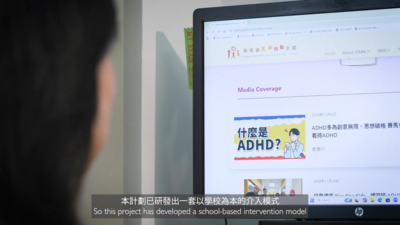
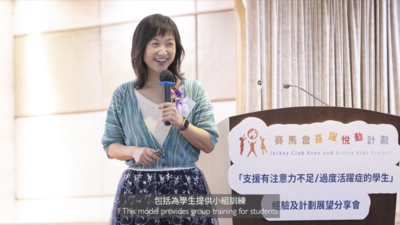

The Jockey Club Keen and Active Kids project exemplifies this approach by actively collaborating with local schools, healthcare providers, and community organisations. Prof. Shum emphasises how the project bridges academic insights with real-world applications, ensuring that research findings are accessible and applicable. She explained that the project’s activities include training workshops for teachers and parents, community outreach campaigns to reduce stigma surrounding ADHD, and the development of resource materials that promote understanding within the community. These efforts aim to create a supportive environment where children with ADHD can thrive academically, socially, and emotionally.
The project's societal impact extends beyond individual children. By fostering greater awareness and understanding of ADHD, the initiative contributes to reducing stigma and promoting social inclusion. In Hong Kong, where mental health issues and neurodiversity are often least understood, such programmes are vital for cultivating a more empathetic and accepting society. The project also supports policy advocacy, encouraging schools and policymakers to adopt more inclusive practices and allocate resources for mental health support.
Prof. Shum highlights how ongoing dialogue and collaboration with stakeholders facilitate continuous improvement and adaptation of intervention strategies. She notes that engaging with families, educators, and healthcare professionals ensures that the project remains responsive to the community’s evolving needs. Furthermore, the project’s success demonstrates how academic research can serve as a foundation for social change, influencing public attitudes and institutional policies.
In summary, Prof. Kathy Shum’s work and the Jockey Club Keen and Active Kids project exemplify how research-driven initiatives can generate societal benefits. Their focus on early intervention, community engagement, and policy influence underscores the importance of translating academic knowledge into practical solutions that foster inclusivity and mental health awareness. By empowering local communities with evidence-based tools and promoting societal acceptance of neurodiversity, this project is making a lasting impact in Hong Kong. It acts as a guide for sharing insights and practical ideas that connect academia with society, helping to create a more inclusive and understanding environment for all children.