Hong Kong’s Architectural Heritage at the Venice Biennale
Project Future Heritage: A Hong Kong Archive
Discover Hong Kong’s future heritage from bamboo scaffolding to sonic installations
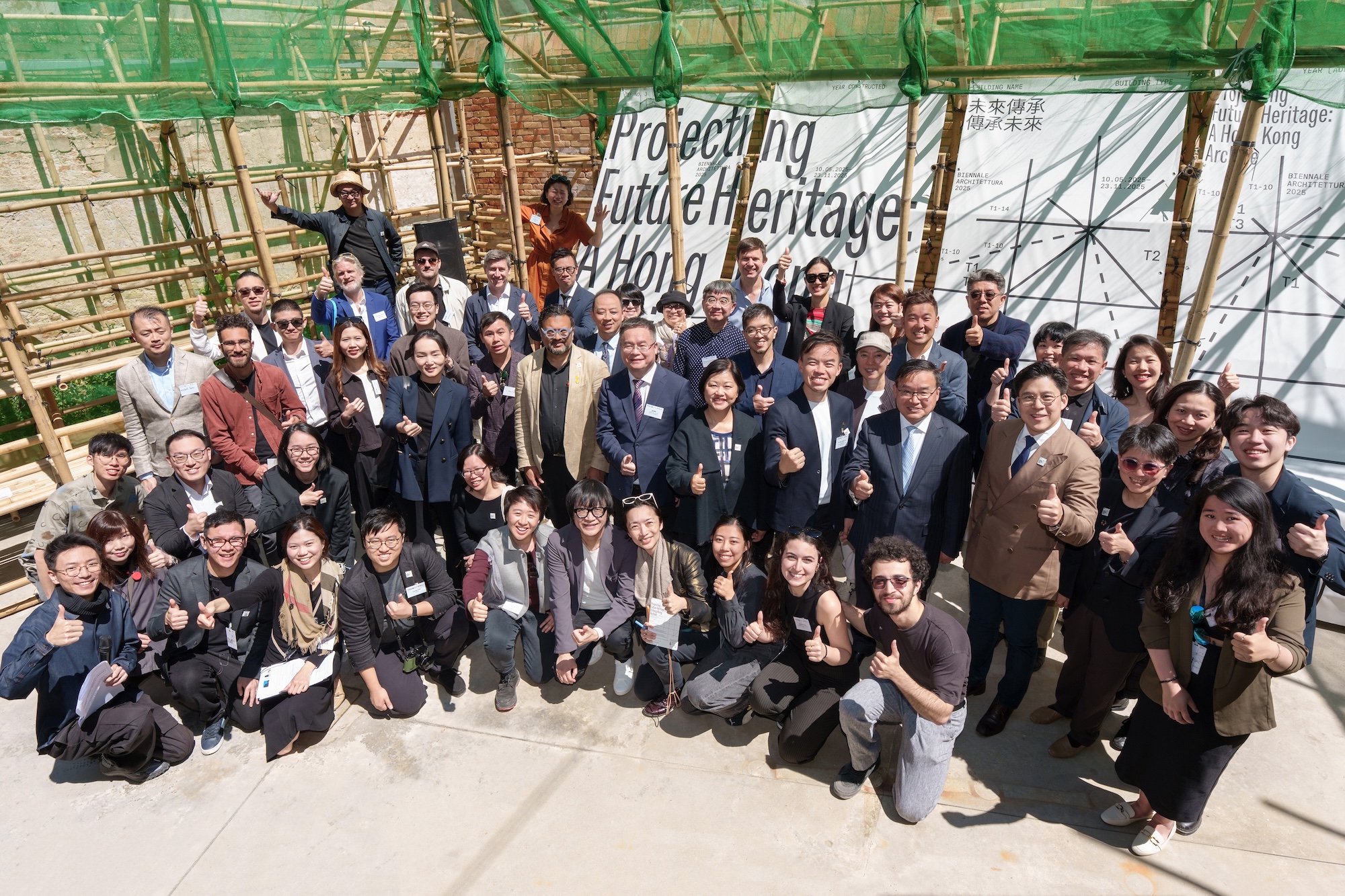
The 2025 edition of the Hong Kong Pavilion at the Venice Biennale, titled "Projecting Future Heritage: A Hong Kong Archive," represents a pivotal shift towards the preservation and valorisation of the city’s modern-era architectural identity. Opened on 9 May 2025 by the HKU curatorial team, namely: Profs. Zhou Ying, Au Fai, and Sunnie Lau, alongside advisors Eunice Seng and Joan Leung, and core designers Jonathan Yeung and Wing Yuen, along with more than two dozen current and past faculty members and alumni who are exhibitors, this exhibition is not merely a showcase of aesthetic achievements; it serves as a dynamic platform for knowledge exchange regarding Hong Kong’s built environment and its societal implications.
Emphasising Everyday Architecture
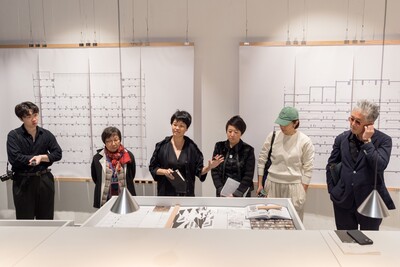
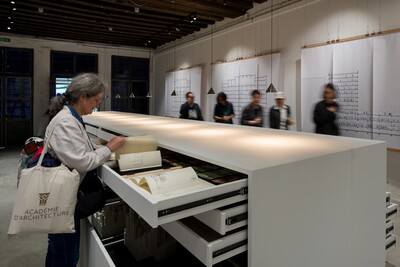
A key feature of this exhibition is its focus on ordinary buildings that often go unnoticed amidst rapid urban development. Displaying 21 archival cabinets containing measured drawings, models, and diverse media, the exhibition spotlights everyday structures such as public housing estates and multifunctional municipal service buildings. This focus underscores the value of designs that meet civic needs and reflect Hong Kong’s architectural history, social fabric, and urban challenges.
As Prof. Zhou highlighted, acknowledging these buildings is crucial to fostering an understanding of the city’s architectural evolution. The exhibition champions structures like the Choi Hung Estate and the Wah Fu Estate, both of which represent significant phases in Hong Kong’s housing history but are now at risk of redevelopment. Other overlooked but valuable architecture types include composite buildings, co-op housing, early malls, and municipal services buildings, many of which are disappearing quietly. By documenting and displaying these buildings, the exhibition encourages a dialogue about the future of urban planning in Hong Kong.
Bamboo: An Allusion to Sustainability
Bamboo, a significant subject in both the exhibition and broader architectural discussions, exemplifies the potential for sustainability in urban construction. Historically, bamboo has played a critical role in Hong Kong’s architectural landscape, recognised for its flexibility and environmental benefits. The Hong Kong Pavilion highlights both historical and contemporary uses of bamboo in construction, linking it to traditional building practices. This emphasis on sustainable materials aligns with the Venice Biennale’s goal of stimulating discussions on eco-friendly architecture.
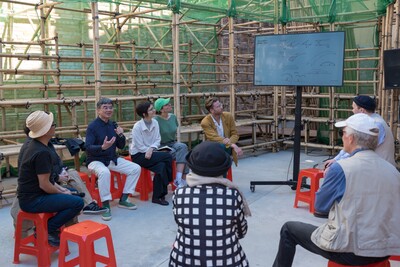
The installation’s use of bamboo scaffolding in the courtyard further engages visitors, illustrating how traditional methods can inform modern design. Public forums discussing bamboo scaffolding and other low-tech construction techniques create opportunities for knowledge exchange among architects, scholars, and the general public, fostering an understanding of how sustainable design can shape future urban landscapes.
Public Engagement and Social Impact
The Venice Biennale serves as an international platform for Hong Kong’s architectural narratives, enabling cross-cultural dialogue and knowledge sharing. Guests attending the four forums held as part of the exhibition included distinguished experts such as Mark Lee from Harvard, Philippe Rahm from Columbia, Philip Ursprung from ETH Zurich, Ikko Yokoyama from M+, Marisa Yiu from Design Trust, and Prof. Chang Yung Ho, the Dean of Architecture at HKU. This diverse representation underscores the exhibition's global significance in addressing contemporary urban challenges.
Through the lens of public engagement, the exhibition reflects an era when civic aspirations significantly shaped architectural outputs. The societal impact thus demands that architects and urban planners consider not only the physical forms of buildings but also the social implications of their designs. The focus on co-op housing and public services exemplifies a commitment to creating spaces that serve the collective good.
Addressing Heritage and Future Aspirations
In a rapidly changing architectural landscape, the urgent need to document and preserve Hong Kong’s architectural heritage becomes paramount. The exhibition highlights the importance of archiving buildings that have historically contributed to the city’s identity and advocates for a dialogue about the preservation of what could become future heritage. As architecture engages with its past, it simultaneously opens pathways to envision its future.
Prof. Zhou's insights reveal an intention not just to advocate for preservation but to promote a forward-looking approach—one that integrates historical lessons with contemporary needs. This dual focus ensures that discussions around knowledge exchange and societal impact remain dynamic and multifaceted.
Conclusion: A Call to Action
The Hong Kong Pavilion at the Venice Biennale transcends being merely an exhibition; it serves as a catalyst for knowledge exchange, fostering a collective appraisal of architectural heritage. By spotlighting everyday buildings, engaging with sustainable practices, and emphasising public participation, the exhibition aims to create a lasting societal impact.
Feedback from international visitors has been overwhelmingly positive, with notable media coverage from outlets including The Guardian and Archdaily praising the exhibition's approach. As Hong Kong navigates the complexities of urban development, initiatives like this serve as potent reminders of architecture's capacity to reflect civic values, promote sustainability, and engage communities. The pavilion stands as a call to action—to not only celebrate the past but actively shape a future that respects and enhances the architectural landscape of Hong Kong. In doing so, it invites local and global audiences to participate in a conversation about the role of architecture in society, fostering a shared commitment to preserving the past while innovating for the future.