

Project Mingde: Sunken Cave Dwelling Revitalisation Project in Xiwang Village as a Model Initiative
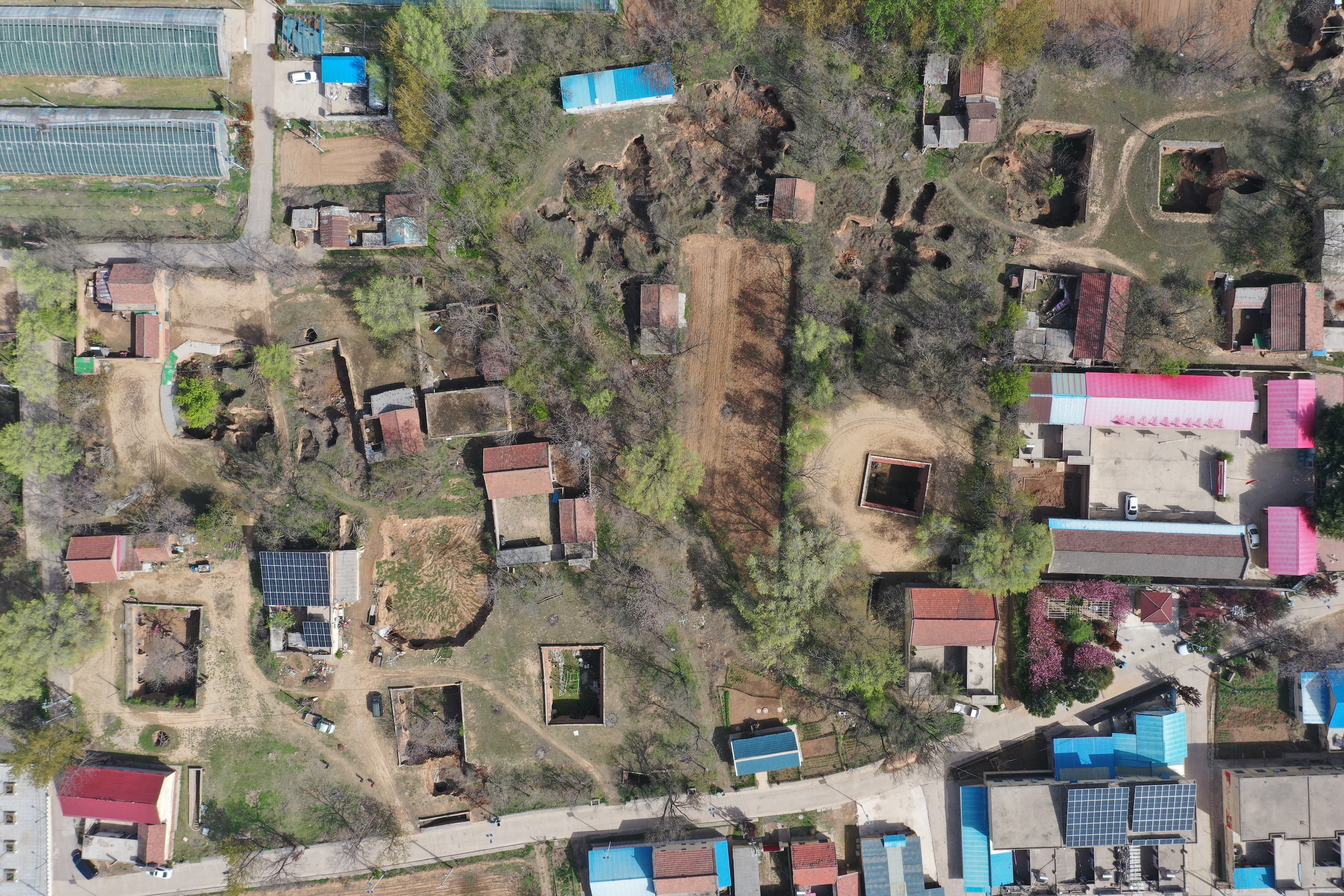
The historic sunken cave dwellings of Xiwang Village in Sanmenxia, Henan Province, underwent a significant transformation following the successful completion of the Sunken Cave Dwelling Revitalisation Project, a flagship initiative within Project Mingde’s rural revitalisation efforts.

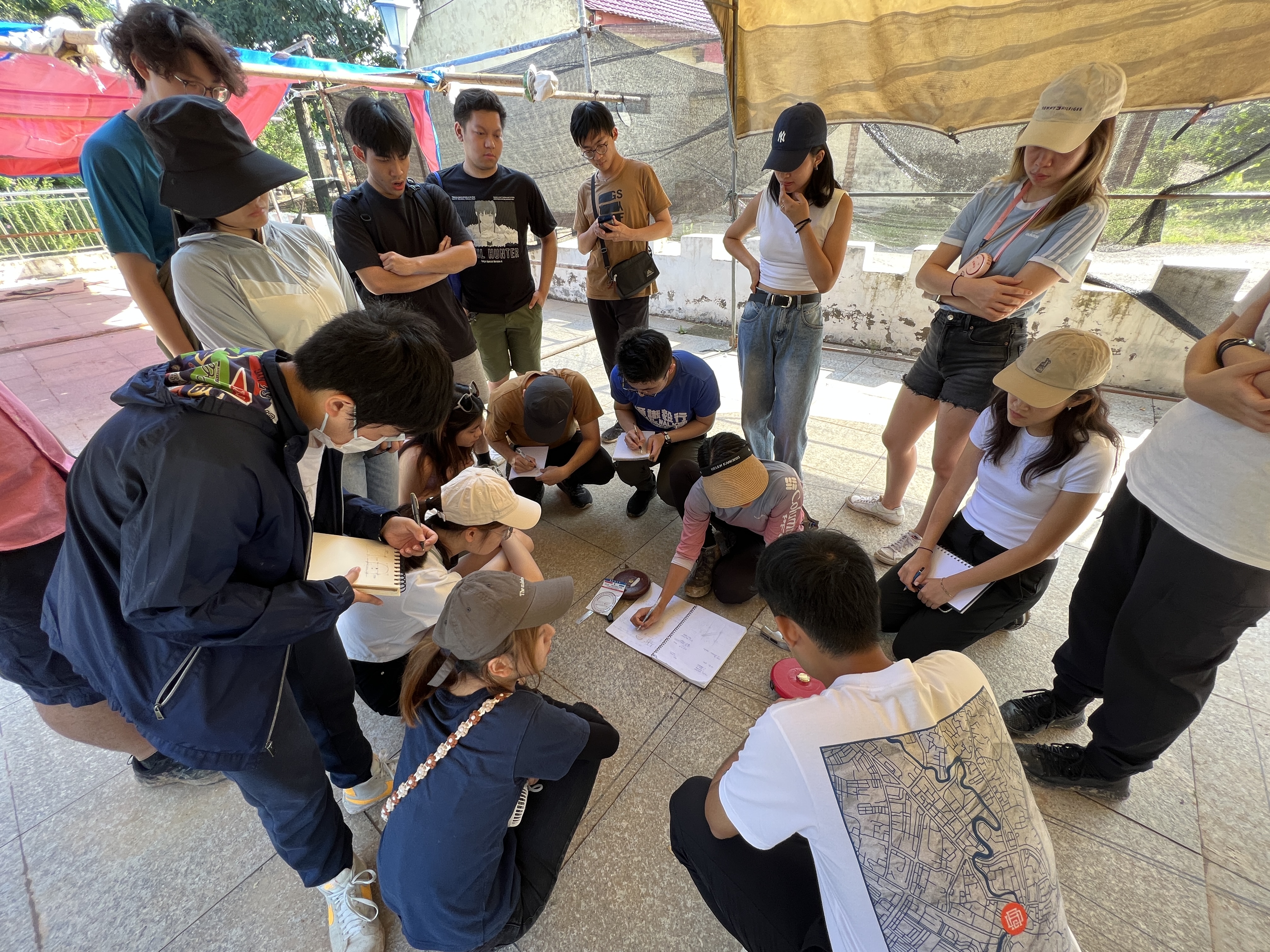
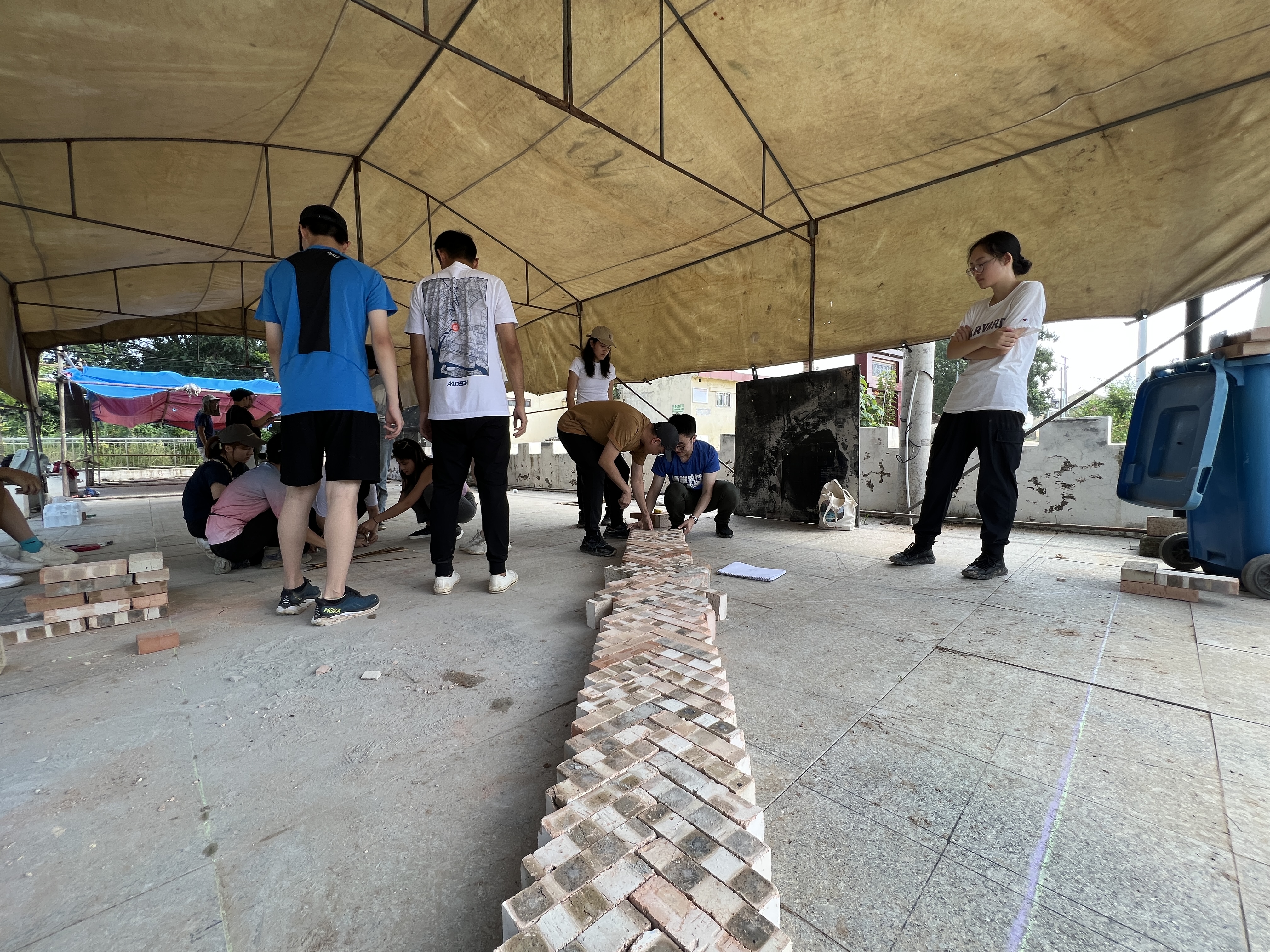
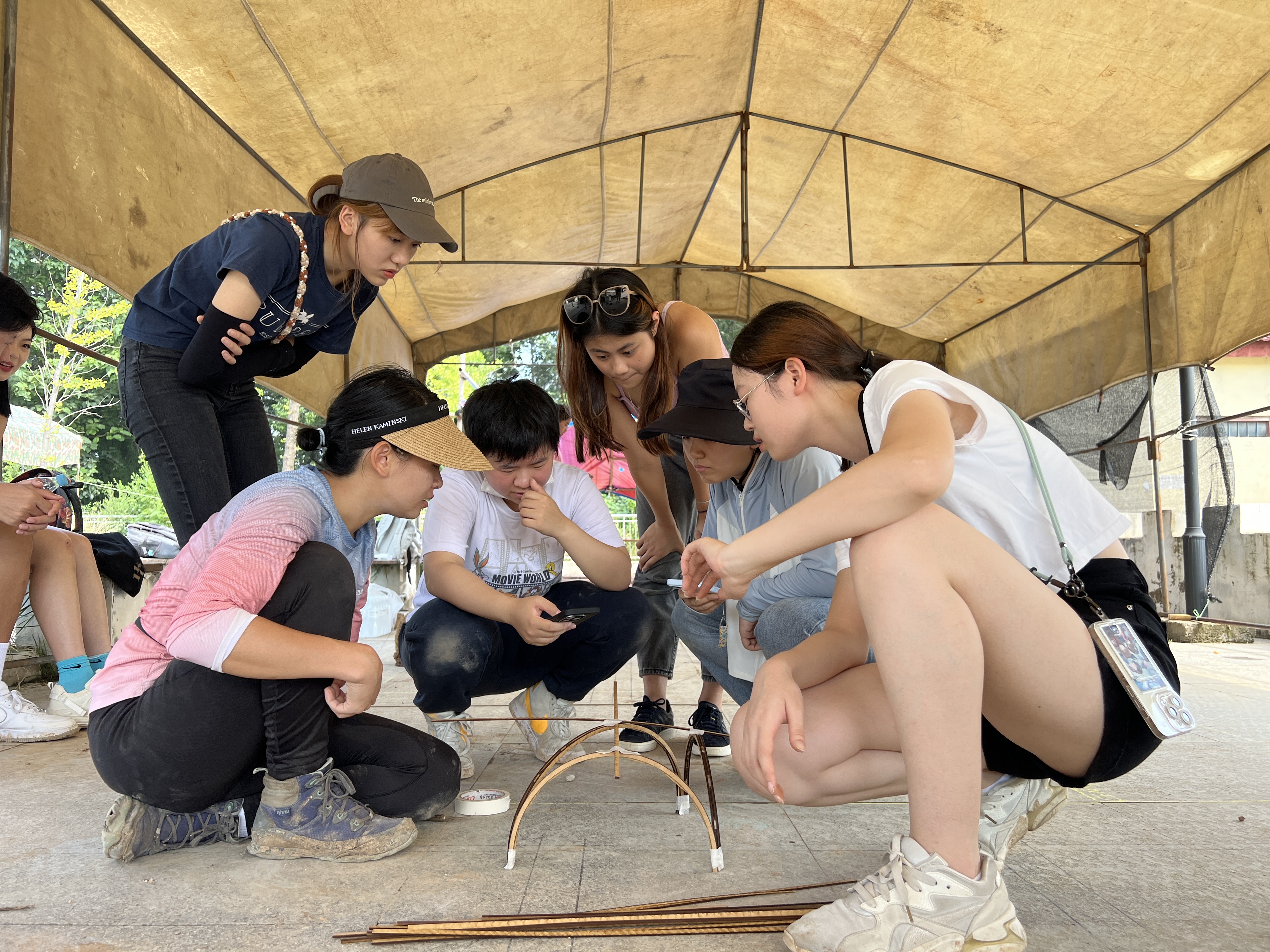

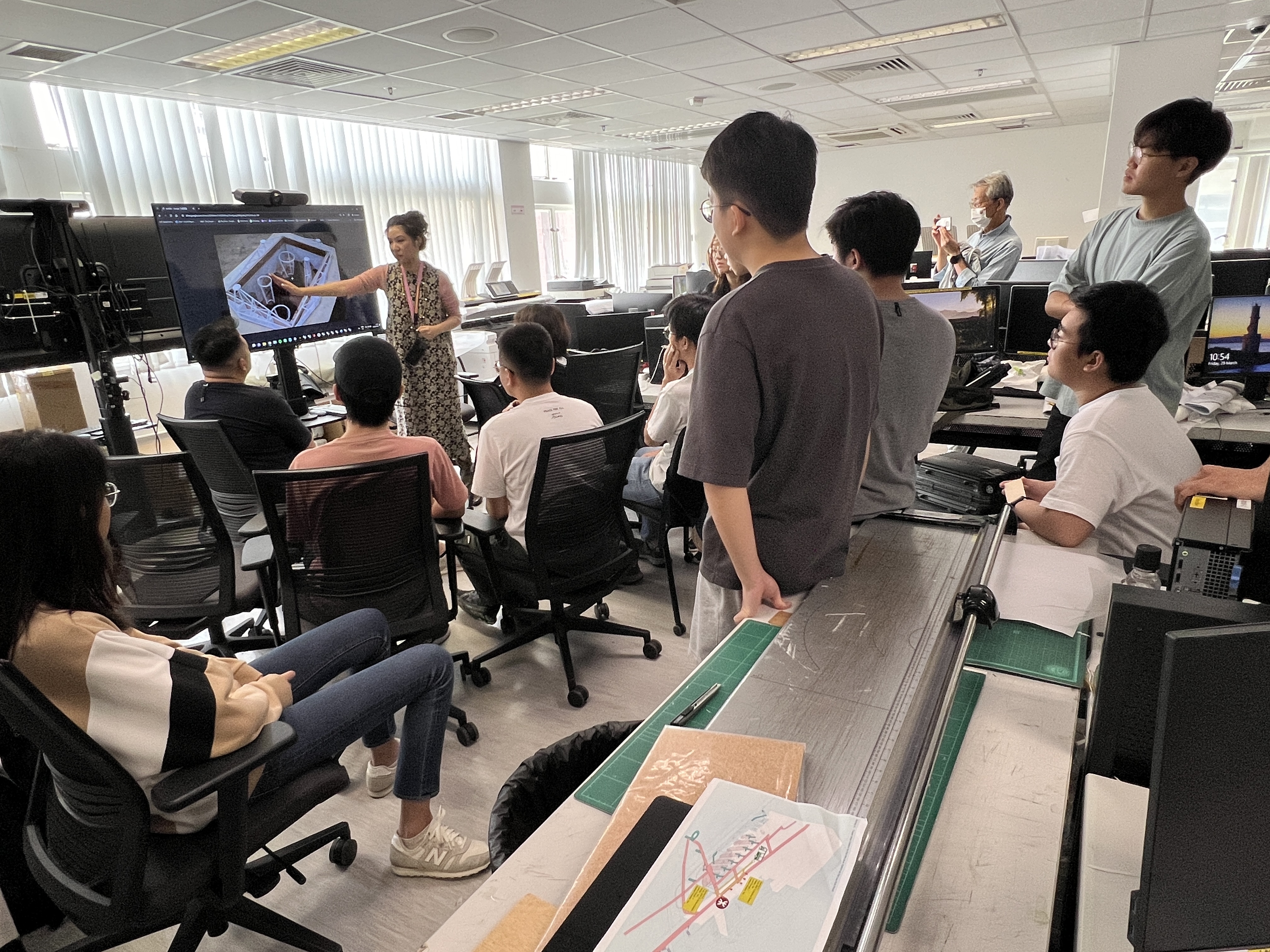


The project demonstrates the strength of interdisciplinary knowledge sharing, blending traditional craftsmanship with contemporary construction technology to conserve cultural heritage and foster social and economic growth by preserving and revitalising sunken caves for present use.
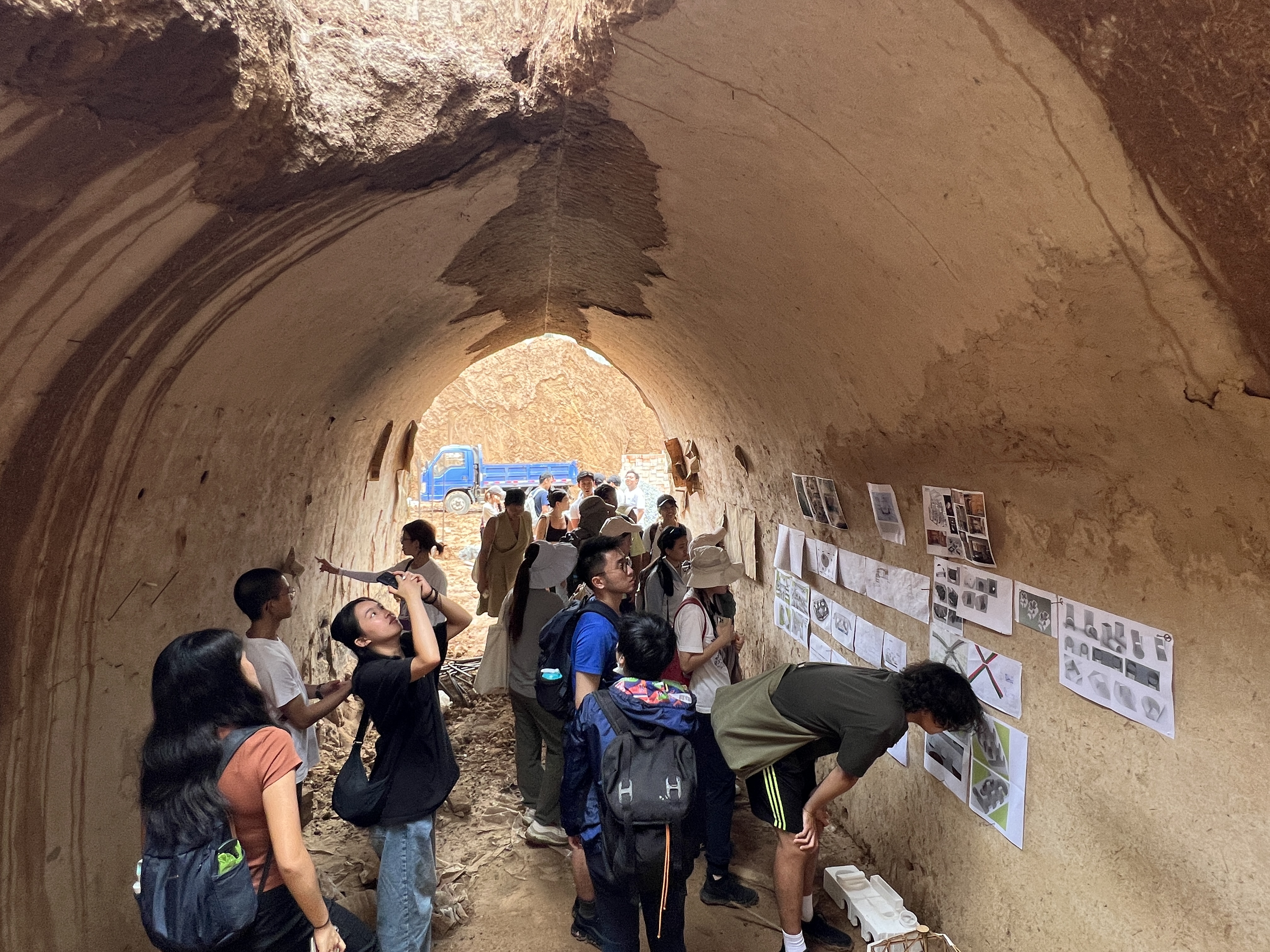
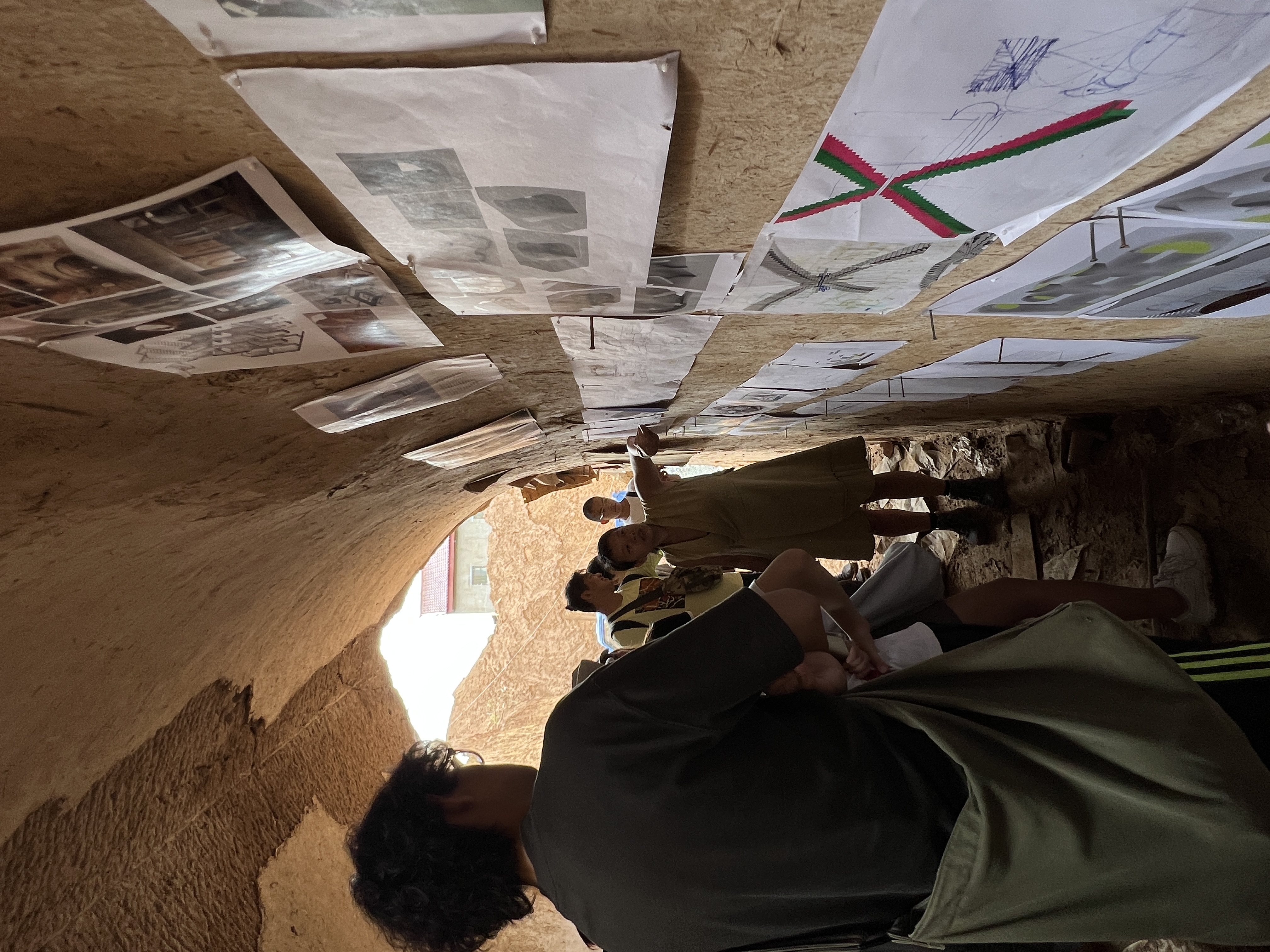
Xiwang Village, famous for its distinctive yaodong-style cave dwellings, faced threats from climate change, urban migration, and neglect. Recognizing the cultural and historical significance of these structures, a dedicated project was launched with the aim of preserving them while also adapting their design for contemporary use. This effort sought to breathe new life into the heritage, fostering sustainable rural revitalization. The development process brought together a diverse team, including local artisans, academic experts from HKU, and undergraduates from various faculties. They studied the ancient caves, understanding how they had formed over thousands of years and the reasons behind their unique structure. With this knowledge, they guided the redesign to meet modern needs—using contemporary materials to make the caves safer and more comfortable for residents today—while respecting the original architectural logic. Through this collaboration, traditional craftsmanship was seamlessly integrated with modern technology, addressing climate challenges and enhancing the strength, stability, and durability of the heritage structures.


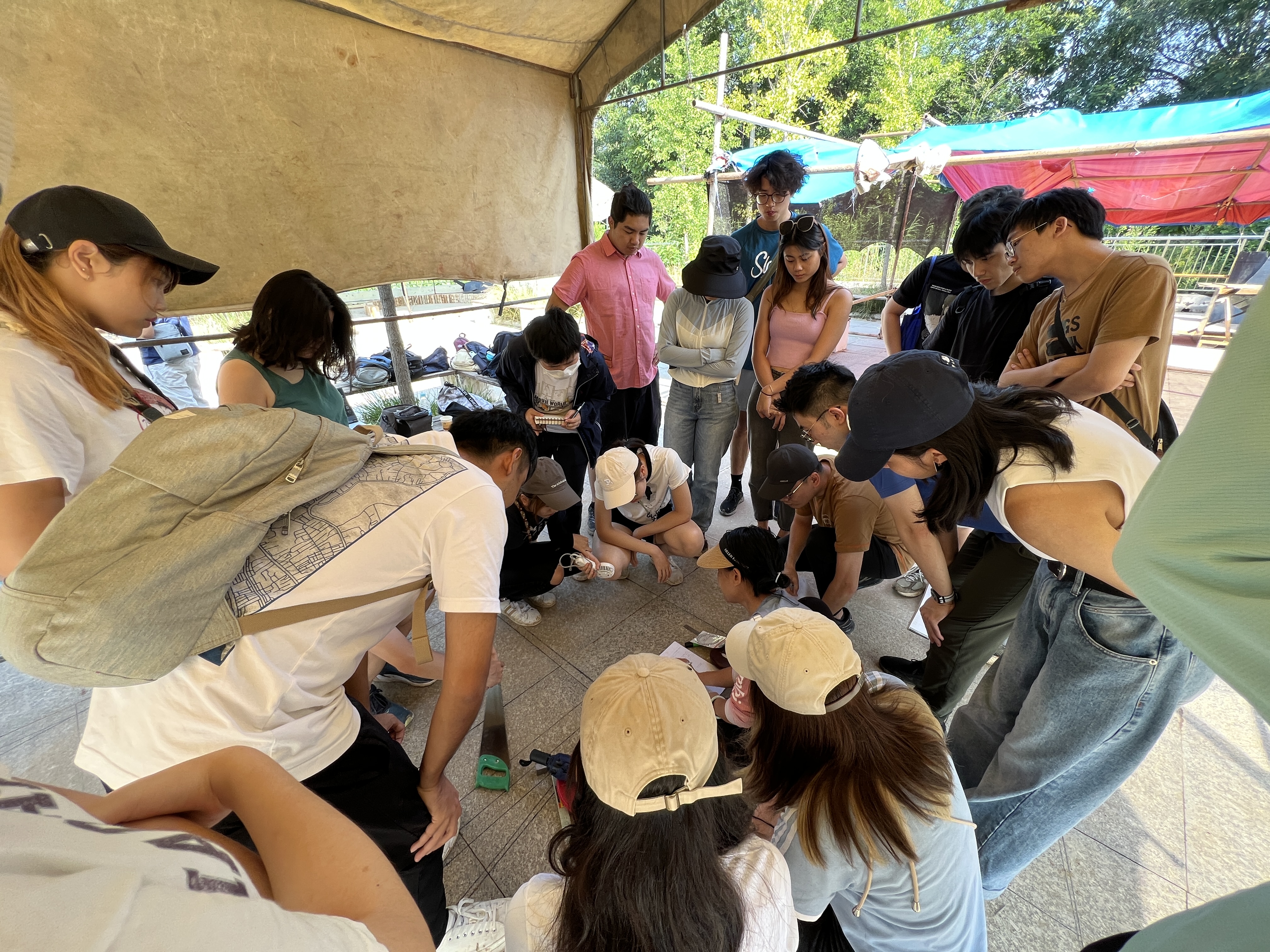
A key aspect of the project was the emphasis on participatory design and community engagement. Local villagers, especially youth and the elders, were actively involved in decision-making, sharing their expertise and cultural insights. Workshops and training sessions facilitated skills transfer, empowering residents with the knowledge to maintain and further develop their heritage. This collaborative approach fostered a sense of ownership and pride, transforming the once-neglected caves into vibrant community spaces.
The Zhu Garden, as it is now called, has become an active community space that helps attract visitors and young villagers. It hosts cultural activities, local markets, and tourism initiatives, creating new economic opportunities. The project has revitalised local customs and traditions, drawing visitors interested in exploring China’s rural heritage. Importantly, it has also stemmed the tide of rural depopulation by attracting young residents back to the village, eager to participate in sustainable development and cultural preservation.
This initiative has generated substantial societal impacts, serving as a successful model for heritage conservation and rural revitalisation across China and internationally. The knowledge exchange process—merging traditional techniques with modern innovation—has created a replicable framework for similar projects in other regions facing heritage loss. Furthermore, the project has raised public awareness about the importance of cultural landscapes, inspiring broader efforts in sustainable rural development.
Overall, the Sunken Cave Dwelling Revitalisation Project exemplifies how interdisciplinary collaboration and knowledge sharing can produce societal benefits, preserve cultural identity, and foster resilient communities. As a result, it offers a blueprint for integrating tradition and innovation—ensuring that rural heritage remains a vital part of China’s cultural landscape for generations to come.